






manual vs digital

Insurance plays a central role in protecting individuals, families, and property from unexpected loss. Policies differ in cost, coverage, and purpose, but each is designed to provide financial security and peace of mind. Renters insurance, for example, helps safeguard personal belongings while also covering liability risks.

Homeowners face additional considerations, including whether to purchase coverage through a brokerage or directly from an insurer, and how state-specific factors influence policies. Comparing these options highlights how insurance adapts to different needs, locations, and risks, offering insight into the best ways to secure protection.

Providing Security, One Policy at a Time

Renters
Online platform Insurance broker
Home Insurance Differences
  • Exploring Texas Home Life Insurance

    Exploring Texas home life insurance can seem overwhelming for many families. It is important to understand how these policies work and what they offer. Home life insurance in Texas protects your loved ones financially in case something happens to you. Choosing the right policy means considering your family’s unique needs and plans. In this article, we will break down the basics, benefits, and options for Texans looking into home life insurance. You will also find answers to common questions and guidance on making the best choice for your family. By the end, you will feel more confident navigating the world of Texas home life insurance.

    Understanding the Basics of Texas Home Life Insurance

    Home life insurance is a type of policy designed to provide financial support to your loved ones if you pass away. In Texas, these policies often combine elements of traditional life insurance and protection for your home and mortgage. This means your family can keep your home without struggling to cover mortgage payments or living expenses after your death. Life insurance policies come in several forms, including term life, whole life, and universal life insurance. Each type offers different coverage amounts and premium structures, which can be tailored to your specific needs.

    It is important to know how Texas regulations impact home life insurance. The state sets certain rules for policy providers to ensure consumer protection and fair practices. Texas residents may also access resources and support from the Texas Department of Insurance. Understanding these regulations helps you make better decisions when choosing a provider or policy. It also ensures your benefits will be secure when your family needs them most.

    Most people start by assessing their home’s value and their family’s financial needs. This helps determine the right amount of coverage for your situation. It is a good idea to review your policy options carefully, comparing benefits and limitations. By understanding the basics, you can take the first step toward securing your family’s financial future in Texas. Insurance providers and local agents can also help answer questions and guide you through the process.

    Key Benefits of Home Life Insurance in Texas

    Home life insurance provides a vital safety net for families facing unexpected loss. One of the main benefits is peace of mind, knowing your family will have financial support during a difficult time. The policy can help pay off the mortgage, cover daily living expenses, or even fund your children’s education. Many Texas policies offer flexible coverage options, so you can select a plan that fits your needs and budget.

    Another key benefit is the protection against losing your home. With home life insurance, your family is not forced to move or sell the property to cover outstanding debts. This stability is especially important for families with young children or elderly relatives. The policy can ensure your loved ones keep their home and maintain their standard of living.

    Texas residents also benefit from local insurance providers who understand the unique needs of the area. Many companies offer personalized service and advice tailored to Texas homeowners. You can often bundle home life insurance with other policies for added savings and convenience. By taking advantage of these benefits, you give your family the security it deserves.

    Choosing the Right Policy for Your Family

    Selecting the right home life insurance policy in Texas starts with understanding your family’s financial goals. Think about your mortgage balance, monthly bills, and future expenses like college tuition or medical care. The right policy should cover these costs so your family can stay comfortable if you are no longer there to provide. It is helpful to sit down and add up your current expenses to find a suitable coverage amount.

    Next, compare different types of policies. Term life insurance is often more affordable and provides coverage for a set number of years. Whole life and universal life policies cost more but offer lifelong protection and potential cash value growth. Speak with local insurance agents or use online comparison tools to understand the pros and cons of each. Look for policies with flexible terms and riders that can adapt to your changing needs.

    Do not forget to read the fine print and ask questions about exclusions and waiting periods. Some policies may not cover certain causes of death or may limit payouts in the first years. Make sure you know what is included before you buy. Family needs change over time, so review your policy regularly and adjust as necessary. By taking these steps, you can choose a policy that fits your unique situation.

    Common Questions About Texas Home Life Insurance

    Many Texans wonder how much home life insurance they really need. The answer depends on your home’s value, outstanding debts, and your family’s future living expenses. Most experts recommend coverage equal to five to ten times your annual income. This ensures your loved ones can pay the mortgage and maintain their lifestyle if you pass away.

    Another common question is whether you can buy home life insurance with a pre-existing health condition. Some policies ask for medical exams, while others offer simplified or guaranteed issue options. Premiums may be higher if you have health issues, but you can still find coverage. Ask your agent about all available options and be honest about your health to avoid problems later.

    People also ask if home life insurance covers accidental death, natural causes, or specific disasters. Most policies cover a wide range of events, but it is important to read your policy documents for any exclusions. Some companies may offer additional riders for extra protection. Always clarify what is and is not covered before you sign up for a policy.

    Making an Informed Decision for Your Future

    Choosing a Texas home life insurance policy is a significant step toward protecting your family’s future. It requires careful planning and attention to detail. Start by evaluating your family’s financial needs and long-term goals. Take time to research different providers and compare their policy offerings. Look for a company with a solid reputation and clear, straightforward terms.

    Always ask questions and seek guidance from trusted insurance professionals. Local agents in Texas can help you understand policy details and offer personalized recommendations. Do not be afraid to consult several agents before making a decision. Remember to review your policy every few years or after major life events, like buying a new home or welcoming a child. Keeping your coverage up to date ensures your family remains protected no matter what changes occur.

    Texas home life insurance can be a valuable tool for preserving your family’s stability and peace of mind. By learning about your options and understanding the benefits, you can make choices with confidence. Take time to discuss your plans with your loved ones so everyone understands the coverage and how it works. The right policy will help your family feel secure, knowing that their financial future is protected. With preparation and the right information, you can safeguard your home and provide for your loved ones even after you are gone.

    Conclusion

    Exploring Texas home life insurance is an important journey for families who want to secure their future. By taking the time to understand the basics, you can make wise decisions about your financial protection. Home life insurance offers more than just coverage for your home or mortgage. It supports your family through difficult times and helps them maintain their quality of life. Choosing the right policy involves careful planning, research, and honest conversations with professionals. Do not rush the process or settle for a policy that does not fit your needs.  
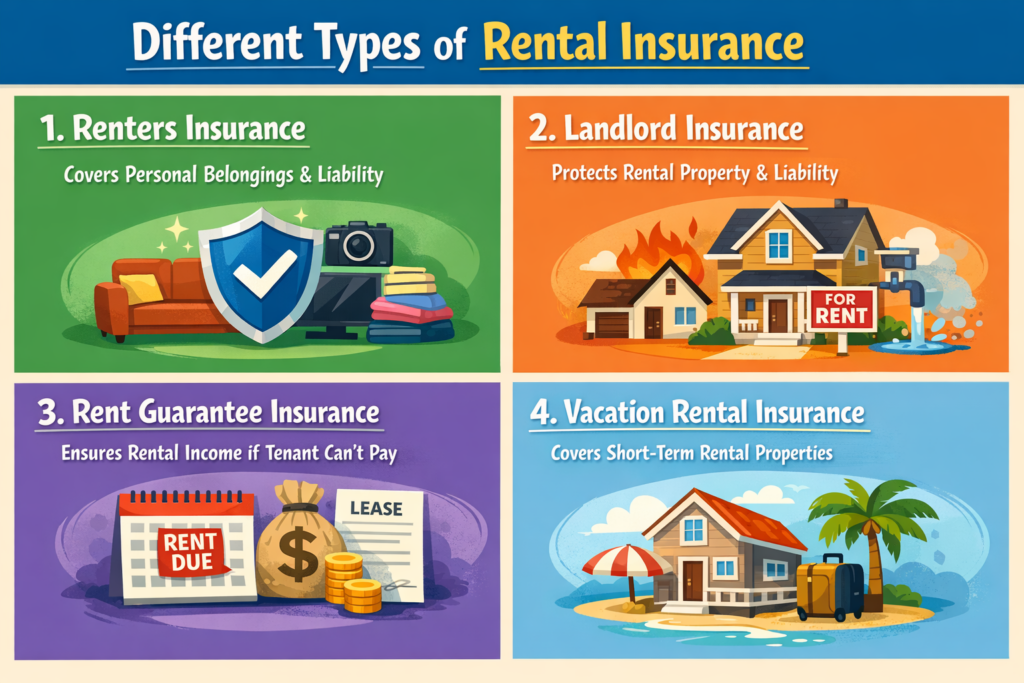

  • Different Types Of Rental Insurance

    Rental insurance offers peace of mind for tenants and landlords alike. It protects people and property from unexpected events that can happen in any rented home. Many renters are surprised to learn about the different types of coverage available. Choosing the right policy can safeguard your belongings and finances. In this article, you will learn about the basic coverage, special protections, and tips for selecting the best rental insurance for your needs.

    Understanding the Basics of Rental Insurance Coverage

    Rental insurance is commonly known as renters insurance. This type of insurance provides essential protection for people living in rented homes or apartments. Most policies cover personal belongings against risks like fire, theft, or water damage. Insurance companies usually offer policies that also cover temporary living expenses if your rental becomes uninhabitable. You pay a small monthly fee for these benefits.

    Rental insurance does not cover the building itself. The landlord’s insurance takes care of the structure and any damage to the actual property. Your rental insurance focuses on your personal possessions inside the home. Policies often come with coverage limits, so it is important to review the value of your belongings. Many people underestimate how much their furniture, electronics, and clothes are worth.

    Each policy may offer different features, depending on the provider. Some plans may also include coverage for items stolen from your car or lost while traveling. It is important to read the fine print and ask questions before signing up. An insurance agent can help explain what is included and what is not. Knowing the basics helps you make a smarter choice.

    Exploring Liability and Personal Property Protections

    One of the most important parts of rental insurance is liability coverage. Liability protection helps if someone is hurt while visiting your home. If a visitor slips or falls and needs medical treatment, your policy can cover their expenses. Legal fees may also be included if you are sued for an accident that happened on the property. This protection helps renters avoid paying large bills out of pocket.

    Personal property protection is another key feature of most rental insurance policies. This part of the plan covers your belongings if they get damaged or stolen. If a fire or burglary occurs, your insurance can help replace your lost items. Coverage often applies whether the loss happens at home or while you are traveling. Some policies even cover your belongings if they are stolen from your car.

    You may be able to add extra protection for valuable items like jewelry, electronics, or musical instruments. Many renters choose to add these options to make sure their most important things are covered. Talking with an insurance expert can help you decide what extra coverage you need. Understanding both liability and personal property protections gives you confidence and security.

    Choosing the Right Rental Insurance for Your Needs

    Finding the right rental insurance begins with reviewing your personal situation. Start by taking an inventory of your belongings and estimating their total value. Knowing what you own helps you choose the correct coverage limit. It is also smart to think about your lifestyle and living arrangements. For example, people with pets may want extra liability protection.

    Comparing quotes from different insurance providers is a good idea. Each company may offer different rates and unique features. Read customer reviews and ask friends or family members for recommendations. Online tools and calculators can also help you estimate costs and choose the best plan. Make sure to ask about any discounts you might qualify for, such as bundling with auto insurance.

    Once you narrow down your options, carefully review the terms and conditions of each policy. Look for any exclusions or special requirements. Some plans may require you to pay a deductible before benefits start. Others might limit coverage for certain items or situations. Taking time to understand your policy details ensures you get the right protection without surprises later.

    Selecting the right rental insurance can seem confusing at first, but it becomes much easier once you understand your options. Basic coverage protects your belongings from many common risks, offering comfort and security. Liability and personal property protections add another layer of safety by shielding you from unexpected accidents and losses. Reviewing your needs and comparing different policies helps you make a smart decision. Take time to think about your lifestyle, the value of your possessions, and any special coverage you may need. Talk to insurance experts and ask questions if anything is unclear. Remember that your landlord’s policy does not cover your personal items, so having your own coverage is essential. Rental insurance gives you peace of mind, knowing you are prepared for the unexpected. With the right policy in place, you can enjoy your rented home without worry. Protecting yourself and your belongings is always a wise investment.


  • Why Renters Insurance Offers the Best Value for Your Money

    It is easy for shoppers to overlook renters insurance, but it is one of the smartest investments you can make as a tenant. Many people think only homeowners need insurance, yet renters face many of the same risks. A small monthly payment can protect you from significant, unexpected expenses. Understanding the actual value of renters insurance will help you see why it is such a cost-effective option. Let us explore the reasons why renters insurance offers the best value for your money.

    Understanding the True Cost of Renters Insurance

    Renters insurance is surprisingly affordable for most people. Unlike other types of insurance, you can often secure a policy for less than the cost of a daily cup of coffee. Monthly premiums typically range from $10 to $20, depending on your location and coverage needs. For such a small price, the protection you receive is substantial. A single incident, like a minor fire or burglary, can cost much more than your yearly premium.

    When you consider the value of your personal belongings, the cost of insurance makes even more sense. Electronics, clothing, and furniture add up quickly. Replacing everything on your own would be a substantial financial burden. Renters insurance covers these items, so you are not left struggling after a disaster. The peace of mind you get is well worth the small investment.

    Many people worry about hidden fees or unexpected costs with insurance. Renters insurance is straightforward to understand. Deductibles are typically low, and you can select the coverage that best suits your budget. Most companies offer flexible payment options, making it easier to maintain an active policy. Knowing precisely what you pay and what you get makes renters insurance a wise financial choice.

    Key Benefits Renters Insurance Provides for Tenants

    Renters insurance protects more than just your belongings. It also includes liability coverage. If someone gets hurt in your apartment, someone could hold you responsible. Renters insurance helps pay for medical bills or legal fees if someone ever sues you. This protection is essential because accidents can happen to anyone.

    Loss of use coverage is another valuable benefit. If your rental becomes uninhabitable due to fire or water damage, renters insurance can pay for your temporary living expenses. This benefit means you will not have to worry about where to stay or how to afford extra costs. Having this support can make difficult times much easier to manage.

    Many policies also cover theft, even if it happens outside your home. If a thief stole your laptop from your car, renters insurance can help cover the cost of replacing it. Coverage usually extends to property lost or damaged while you are traveling. Knowing you are protected wherever you go adds another layer of convenience and peace of mind.

    Comparing Renters Insurance to Other Types of Coverage

    Homeowners insurance often costs significantly more because it must cover both the building and personal property. Renters insurance only covers your belongings, making it a more affordable option. Auto insurance is required by law and usually comes with higher premiums and deductibles. Health insurance is also necessary, but it can be costly, especially if you have a high-deductible plan.

    Unlike other types of insurance, renters insurance explicitly covers situations unique to tenants. Landlord insurance only protects the building, not your items. If something happens, your landlord is not responsible for your losses. Renters insurance fills this critical gap at a low cost.

    Some people think they can rely on savings to cover potential losses. In reality, replacing everything after a fire or burglary can quickly wipe out your savings. Renters insurance is a simple way to avoid this risk. For just a few dollars each month, you can protect yourself from major financial setbacks. It offers more value for your money compared to many other kinds of coverage.

    Maximizing Value and Peace of Mind as a Renter

    To get the most out of your renters insurance, review your policy each year. Ensure your coverage aligns with the value of your belongings. As you purchase new items or relocate to a new place, update your policy as necessary. Many insurers offer discounts if you bundle renters insurance with auto or other policies.

    Keep an inventory of your possessions and save receipts or photos. This information will make filing a claim easier if an issue arises. Stay informed about what is covered and any exclusions in your policy. You can often increase coverage limits for just a small additional cost.

    Above all, renters insurance gives you peace of mind. You will not have to worry about losing everything in a disaster. In the event of an accident, you have financial protection and support. Renters insurance helps you focus on enjoying your home instead of stressing about what might go wrong. The value it provides far outweighs the small monthly cost.

    Conclusion

    Renters insurance stands out as the most cost-effective insurance you will ever buy. With a small monthly payment, you gain protection for your personal belongings, liability, and living expenses during an emergency. The coverage is flexible, easy to understand, and tailored for the needs of tenants. Unlike other insurance types, renters insurance fits comfortably into almost any budget while guarding you against significant financial risks. Choosing renters insurance means you are prepared for the unexpected, whether it is theft, fire, or an accident in your home. Having a policy also means you can recover more quickly and with less stress if disaster strikes. Renters insurance proves that you do not need to spend a lot to get valuable protection. Taking time to understand your options and keep your coverage up to date ensures you make the most of every dollar spent. Enjoy peace of mind knowing your future is secure. Investing in renters insurance is genuinely one of the wisest financial decisions any renter can make.

Strong coverage provides stability against life’s uncertainties.

It ensures both homes and belongings remain secure for the future.